Biosketch - Miel Hostens
Robert and Anne Everett Associate Professor of Digital Dairy Management
Robert and Anne Everett Endowed Associate Professor
Digital Dairy Management and Data Analytics
Department of Animal Science
Cornell University 273 Morrison Hall Ithaca, NY 14853 United States
📞 +1 607-663-0808
Current position
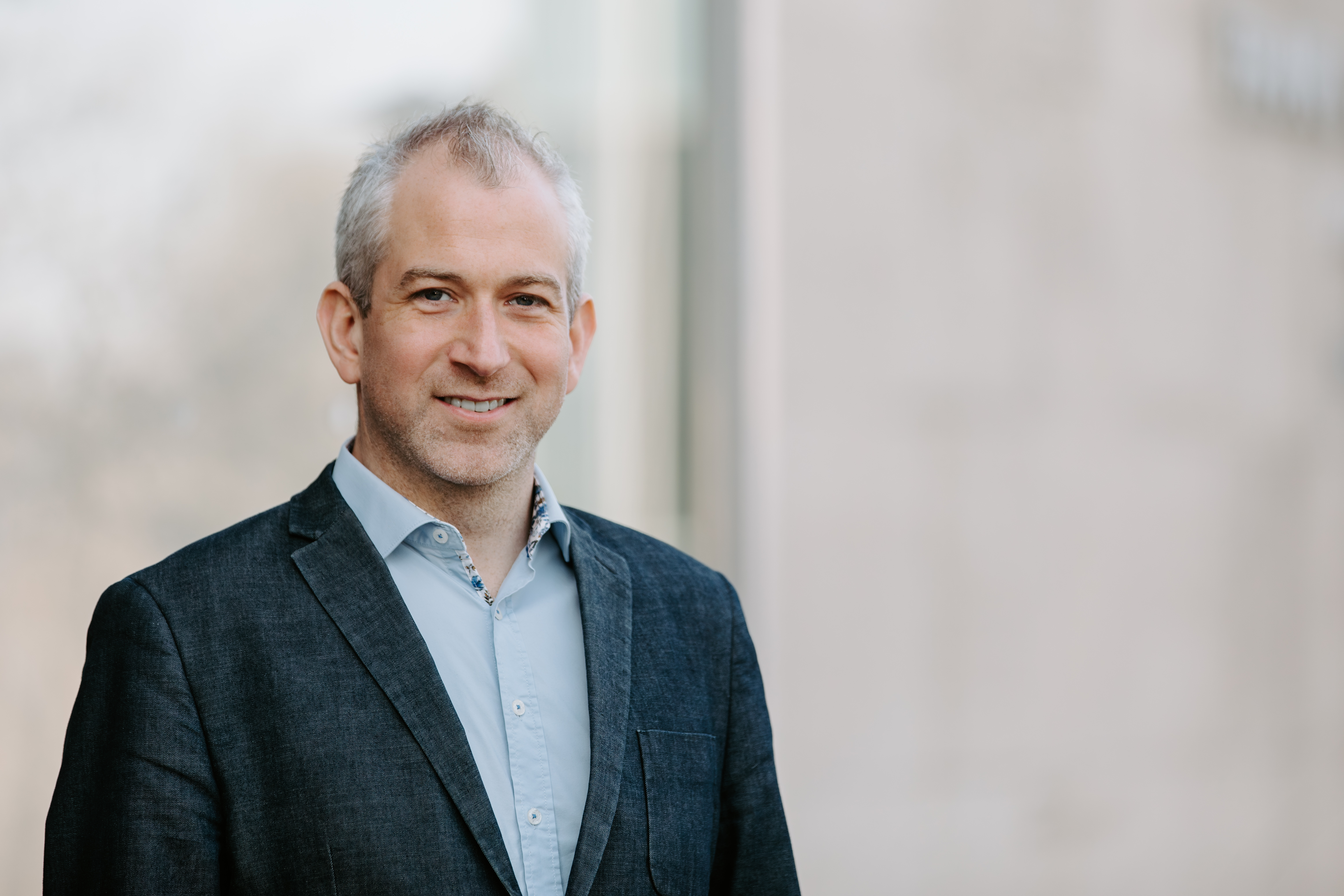
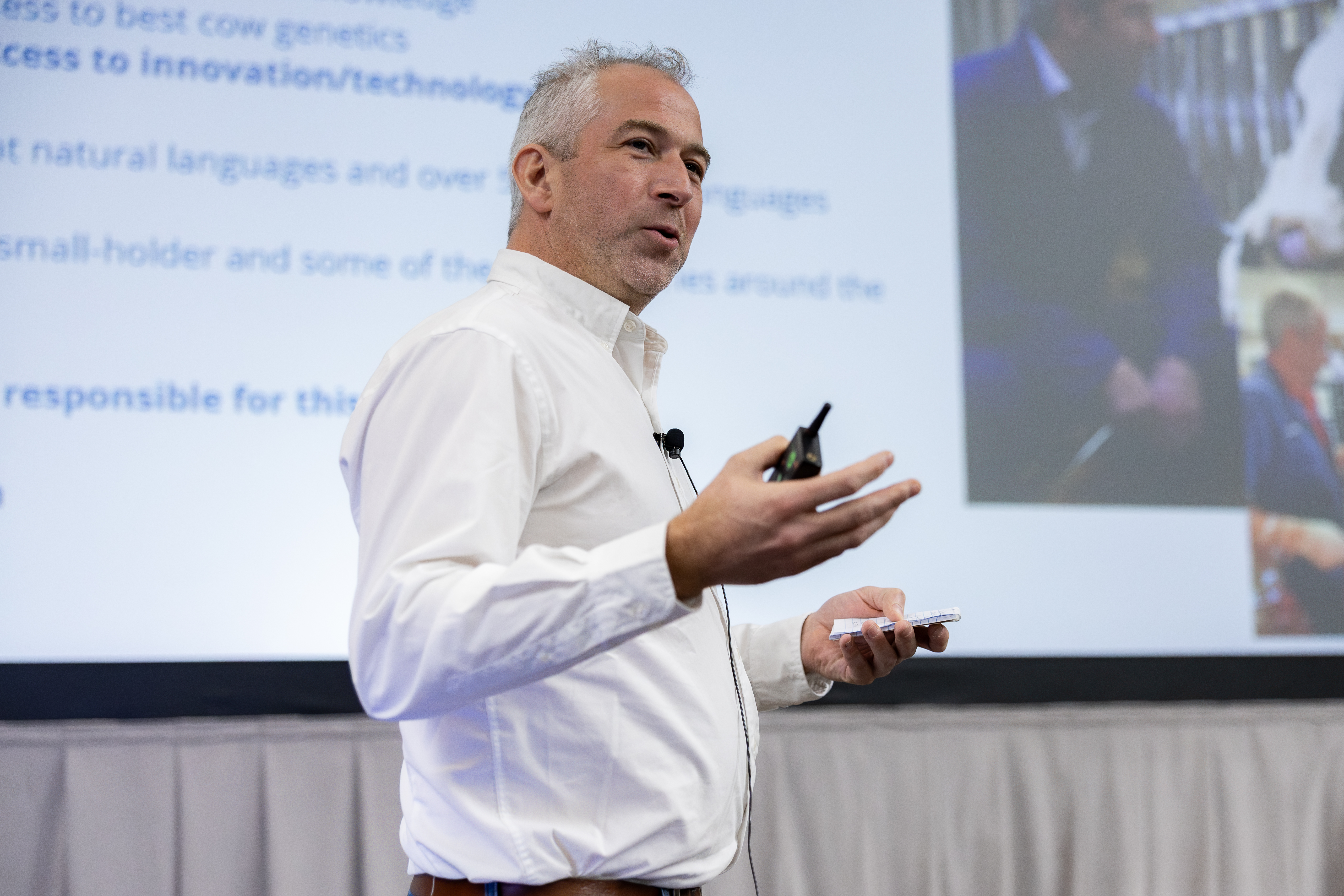
Robert and Anne Everett Associate Professor of Digital Dairy Management and Data Analytics at Department of Animal Science, College of Agriculture and Life Sciences, Cornell University (9 months position) focusing on the creation of methodologies using precision dairy farming to monitor sustainable food production systems from a global perspective.
  |
Identifiers & Profiles
- ORCID: https://orcid.org/0000-0001-5376-976X
- Google Scholar: Citations and indices
- LinkedIn: hhttps://www.linkedin.com/in/miel-hostens-56b1339b/
- Motivational Insights: My Motivational Insights
Previous positions
Academic Appointments & Professional Experience
| Role | Institution | From | To |
|---|---|---|---|
| Robert and Anne Everett Associate Professor of Digital Dairy Management and Data Analytics focusing on the creation of methodologies using precision dairy farming to monitor sustainable food production systems from a global perspective. | Department of Animal Science, Cornell University | Jan 2024 | Present |
| Adjunct Associate Professor | Department of Laboratory for Animal Nutrition and Animal Product Quality, Ghent University | Jan 2024 | Present |
| Tenured Assistant Professor | Department of Population Health Sciences, Utrecht University (0.9 FTE) | Jan 2019 | Dec 2023 |
| Adjunct Assistant Professor | Department of Laboratory for Animal Nutrition and Animal Product Quality, Ghent University (0.1 FTE) | Jan 2021 | Dec 2023 |
| Post-doctoral fellow focusing on the optimisation of productiveand reproductive performances in small and large dairy herds usingdigital technologies. | Department of Reproduction, Obstetrics and Herd Health, Ghent University | Nov 2012 | Dec 2018 |
Pre‑doctoral Fellow focusing on optimisation of productive and reproductive performances of small and large herds with an emphasison nutrition using digital technologies, while finalizing PhD research. |
Department of Reproduction, Obstetrics and Herd Health, Ghent University | Sep 2010 | Oct 2012 |
PhD Candidate funded by the Institute for the Promotion of Innovation by Science and Technology in Flanders called “Inductionof milk fat depression through specific fatty acids to reduce thenegative energy balance after parturition of high yielding dairy cattlein relation to fertility” |
Department of Reproduction, Obstetrics and Herd Health, Ghent University | Sep 2007 | Aug 2010 |
| Veterinarian in a dairy cattle and veal calve practice | Dierenkliniek Den Ham, The Netherlands | Jan 2007 | Aug 2007 |
| PhD Pre‑applicant forthe Institute for the Promotion of Innovation by Science and Technology in Flanders on the topic of “Polyunsaturated fatty acids in dairy cattle nutrition and theconsequences for follicle, egg and embryo quality.” | Department of Reproduction, Obstetrics and Herd Health, Ghent University | Jul 2006 | Dec 2006 |
Grants & Projects
Current
| Project Description | Role | Year | Budget |
|---|---|---|---|
| DECIDE, Horizon Europe H2020-SFS-2018-2020 / 101000494, is a five-year Horizon 2020 project running from 2021 to 2025. It will develop data-driven decision support tools that offer robust and early signals of disease emergence and options for diagnostic confirmation. Moreover, options will be provided for controlling the disease along with their implications in terms of disease spread, economic burden and animal welfare. | CoPI | 2021 | €9,998,805 |
| PLAY BEHAVIOR CALVES IN EUROPE – A project funded by the Dutch dairy organization ZuivelNL to detect play behaviour in relation to space allowance using accelerometer and video analytics in dairy calves. | PI | 2023 | €100,000 |
| PLAY BEHAVIOR CALVES IN THE US – A project funded by the Cornell Institute for Digital Agriculture to detect play behaviour in relation to space allowance using accelerometer and video analytics in dairy calves. | PI | 2023 | €100,000 |
| GLOBAL GREENFEED PROJECT – A project funded by the Global Methane Hub to accurately measure and collect gas emissions from cattle with the GreenFeed system. | PI | 2024 | $3,279,652 |
| AI-Driven Pandemic Preparedness in Dairy Farming: Enhancing Health Monitoring and Disease Management through Generative AI and Data Integration (Don Bennink Endowment). | PI | 2025 | $249,175 |
| PDASP Track 3: Privacy-Preserving Dairy-Digitalization with Federal Learning (NSF-PDASP) | PI | 2025 | $1,000,000 |
| Leveraging AI for Sustainable Livestock Farming: A RAG-Enhanced LLM Approach to Mitigate Carbon Emissions Around The World (Bezos Earth Fund) | PI | 2025 | $50,000 |
| Selective Antimicrobial Disease Treatments in Dairy cows – Lessons learned from real-world farm data. (Federal Capacity Funds) | PI | 2025 | $90,000 |
| A Multimodal Approach to Dairy Methane Reduction: Validation of Remote Satellite Images, Mid-InfraRed and Genomic Selection in Methane Mitigation (Cornell Atkinson Center for Sustainability) | PI | 2025 | $150,000 |
Pending
| Project Description | Role | Year | Budget |
|---|---|---|---|
| HERD-AID:Connecting dairy herd health, environment and economics through applied and innovative decision modeling (FFAR) | Co-PI | 2025 | $194,995 |
| DSFAS: A Farm-Deployable, Privacy-Aware Computer Vision Decision for Dairy Cattle Health and Welfare Management (USDA-NIFA-AFRI-011134) | PI | 2025 | $650,000 |
| Modernizing Simulation Models to Enhance Computational Efficiency and User-Friendliness for Better Decision-Making on Small and Medium-Sized Dairy Farm (USDA-NIFA-AFRI-011134 | PI | 2025 | $650,000 |
| Enhancing CNCPS Accuracy and Adaptability through Ontology-Enabled Farm Data Integration and AI-Driven Model Modernization (USDA-NIFA-AFRI-011134) | PI | 2025 | $650,000 |
Finished
| Project Description | Role | Year | Budget |
|---|---|---|---|
| GplusE was an FP7 project funded by the European Union. It was a five-year project from 2014 and 2018 executed by 15 research and industry partners. The project covered the interaction between genotype and environment contributing to the sustainability of dairy cow production systems. This was achieved through the optimal integration of genomic selection and novel management protocols based on the development and exploitation of genomic data and supporting novel phenotyping approaches. | CoPI | 2014 | €9,000,000 |
| In the SUMMERFAIR project (SUMmarizing transmission data to Enable data Reanalysis and predictions by FAIR data use) we tackle the issue of lack of a common terminology and need for repetition of costly experiments by developing a shared vocabulary (domain-ontology) and a workflow enabling reuse and combination of transmission data. The project running from 2021–2022 was granted by the dutch ZoNMW. | CoPI | 2021 | €250,000 |
| VEERKRACHT/Resilience – The transition period as a window and metabolic resilience to monitor of dairy cattle, granted by national Belgian VLAIO 2018 is a project that aims at creating tools to monitor the transition success of dairy cows at individual level and herd level. These tools allow the farmer to monitor individual animals at risk, in addition to allow individualized preventive measures. This will reduce the development of transition associated problems, which will increase productivity and animal welfare. | CoPI | 2018 | €1,300,000 |
| CLAWHEALTH.NL – A project sponsored by the Dutch Foundation WakkerDier to map the prevalence of leg and hoof problems in Dutch dairy cows, and to uncover the risk factors for leg and claw problems in the Netherlands using AI driven systematic reviews. | PI | 2023 | €100,000 |
Significant output
In my research domain, first, second and last authors have made significant contributions. As my research group focuses on applied research, a large international network and participation in consortia or advisory committees are globally also acknowledged as important output. My current h-index is 35 (https://scholar.google.com/citations?user=fZ1xfdQAAAAJ&hl=nl). I consider the following papers/achievements as my personal best output, although I have other clinically important output due to active collaborations within the veterinary domain (Pardon et al.; Kemel et al.). I have ordered and grouped output together given common projects or background. A clear move from the veterinary and dairy domain towards the precision livestock farming and data science domain can be seen in my key output.
First peer-reviewed paper
Hostens, M., Ehrlich, J., Van Ranst, B., & Opsomer, G. (2012). On-farm evaluation of the effect of metabolic diseases on the shape of the lactation curve in dairy cows through the MilkBot lactation model. Journal of dairy science, 95(6), 2988–3007. https://doi.org/10.3168/jds.2011-4791
The first paper from my PhD work extended a data warehouse architecture I created during my PhD with a novel Bayesian lactation curve model applied to dairy cow transition disease. It was initiated through an international collaboration with Jim Ehrlich, a veterinarian from New York (USA). This collaboration eventually led to the co-organization of the 31st Discover Conference on Big Data Dairy Management in 2016 (Chicago, USA). Ultimately, the paper even contributed to me taking the lead organization of the 46th ADSA Discover Conference on Milking the Data: Value-Driven Dairy Farming in Chicago (USA).
The paper has initiated other researchers to use the methodology leading to several co-authorships (Charlier et al., 2012; Verschave et al., 2014). Through my current position as Chair of the Milk Recording Working Group within the International Committee of Animal Recording, the model is being evaluated as one of the newer models to be applied in the milk recording industry. The paper also had 2 follow-up papers (Probo et al., 2018; Pascottini et al., 2020) re-using the same dataset using novel machine learning techniques which illustrates me actively advocating and applying open-code, open-source and FAIR principles, motivating other researchers to follow the approach.
DairyDataWarehouse & MmmooOgle
The data warehouse architecture developed during the previous paper was eventually acquired by Delaval, a leading milking software and hardware provider, from the department of Reproduction, Obstetrics and Herd health and transformed into www.DairyDataWarehouse.com. The product is still actively used across the world. Ghent University was compensated for this acquisition in 2012. After this, I re-initiated a new software company with the original co-creator of the data warehouse, focusing on creating the next-generation data-science platform ready for the multitude in PLF technologies being installed on dairy farms called www.MmmooOgle.com. This illustrates my academic entrepreneurship, which:
accelerated my scientific output as it provided me with unlimited access to data from dairy farms around the world.
because of the combined expertise in data and dairy science attracted several successful project consortia (GPLUS, VEERKRACHT, DECIDE, GREENFEED, see appendix 3)
illustrates my academic drive to create decision support tools which can be implemented in the dairy industry at sufficient technology-readiness-level.
GplusE
In 2013, my PhD supervisor Prof. dr. Geert Opsomer and me were approached to join a large FP7 consortium called GplusE. This multi-institutional international project resulted in a large amount of peer reviewed articles (see Appendix 3). Our team was responsible for the data intensive work packages integrating research data from heterogeneous farms and creating best practices for data pipelines within the project. The project resulted in my first article as last author:
De Koster, J., Salavati, M., Grelet, C., Crowe, M. A., Matthews, E., O’Flaherty, R., Opsomer, G., Foldager, L., GplusE, & Hostens, M. (2019). Prediction of metabolic clusters in early-lactation dairy cows using models based on milk biomarkers. Journal of dairy science, 102(3), 2631–2644. https://doi.org/10.3168/jds.2018-15533
The article compared several biomarkers with a standardized prediction methods for novel indicators for dairy cow resilience. The methodology was built using 2 ‘Microsoft for Research awards’ mentioned in this application, implementing highly innovative techniques such as scalable machine learning and artificial intelligence in its early stages. The methodology of clustering cows according to their metabolic blood profile was adopted by multiple researchers around the world (e.g. Tremblay et al., 2018; Grelet et al., 2019; Xu et al., 2019; Girma et al., 2024). Subsequently, the method was translated, in collaboration with a visiting researcher from Iran, into a genome wide association study involving multiple industry partners from the Netherlands (Atashi et al., 2020). It illustrates my capability of working with multiple stakeholders, across several domains (phenotype and genotypes), and attracting visiting researchers.
SenseOfSensors
During my appointment as Assistant Professor at Utrecht University between 2018 and 2023, my scientific output was boosted due to the daily supervision of 5 PhD students (Liseune A., Hut P., Scheurwater J., Salamone M. and Chen Y.). All of them were applying some of my previous work (such as the Milkbot model) as well as novel data science methods (including artificial intelligence) and precision dairy farming techniques to monitor and predict dairy cow health and behavior. I consider the following paper as key output from that 5 year period.
Hut, P. R., Kuiper, S. E. M., Nielen, M., Hulsen, J. H. J. L., Stassen, E. N., & Hostens, M. M. (2022). Sensor based time budgets in commercial Dutch dairy herds vary over lactation cycles and within 24 hours. PloS one, 17(2), e0264392. https://doi.org/10.1371/journal.pone.0264392
It illustrates several important aspects of my research philosophy:
The article demonstrates the enormous potential of using and combining real-world farm data to test field assumptions made about cow behavior.
The article started as an MSc project in Veterinary Medicine. The student (listed as second author) was illiterate in data science at the beginning of the project, but through my daily supervision and training was successful in converting this project into a peer-reviewed paper. It illustrates my active approach to train the next generation student in data-driven Veterinary Medicine.
The methodology of the article was also made publicly available (open-source/open-code), demonstrating my current default strategy when publishing data-driven dairy science as it supports training and dissemination.
Resilience
Around the same time, I still had an active appointment at Ghent University, through which I successfully applied for a Flemish VLAIO with collaborators from Bio-science engineering at UGent and the KULeuven. The aim of the project was to create data-driven tools applying artificial intelligence to monitor the transition success of dairy cows at individual level and herd level. The project, using real-world farm data yielded several publications in the highly ranked Journal Computers and Electronics in Agriculture (impact factor 7.7), of which is I value the following as key output:
Liseune, A., Salamone, M., Van den Poel, D., Van Ranst, B., & Hostens, M. (2020). Leveraging latent representations for milk yield prediction and interpolation using deep learning. Computers and Electronics in Agriculture, 175, 105600. https://doi.org/10.1016/j.compag.2020.105600
The article was foundational for my research group because
It served 5 other papers of my group using the same AI method to predict milk production (Liseune et al 2021, Salamone et al., 2022), metabolic health (Salamone et al., 2024; van Leerdam et al., 2024) and behavior (Liseune et al., 2021) in dairy cows.
It is currently used as base-model to create a digital twin of a dairy cow including milk components, body weight, feed intake and cow behavior in the current work of 2 of my current PhD students (Hayu S. and van Leerdam M.)
The model is also being integrated with Large Language Models (LLM) by my current post-doctoral fellow Liu E. to allow farmers to interact with the model using natural languages instead of complex computer interfaces.